A Surviving Facts Blog
The other day, I was running errands and ended up stopping in a posh cafe in a posh New Jersey town. I wasn’t eating lunch; rather, I had dropped in to purchase the cafe’s homemade pastries: an almond croissant for one daughter, a chocolate croissant for the other, some goodies for my vegan sister and a cheesy bread for Chuck. I didn’t forget myself. I got beets with labneh and a salmon breakfast pastry.
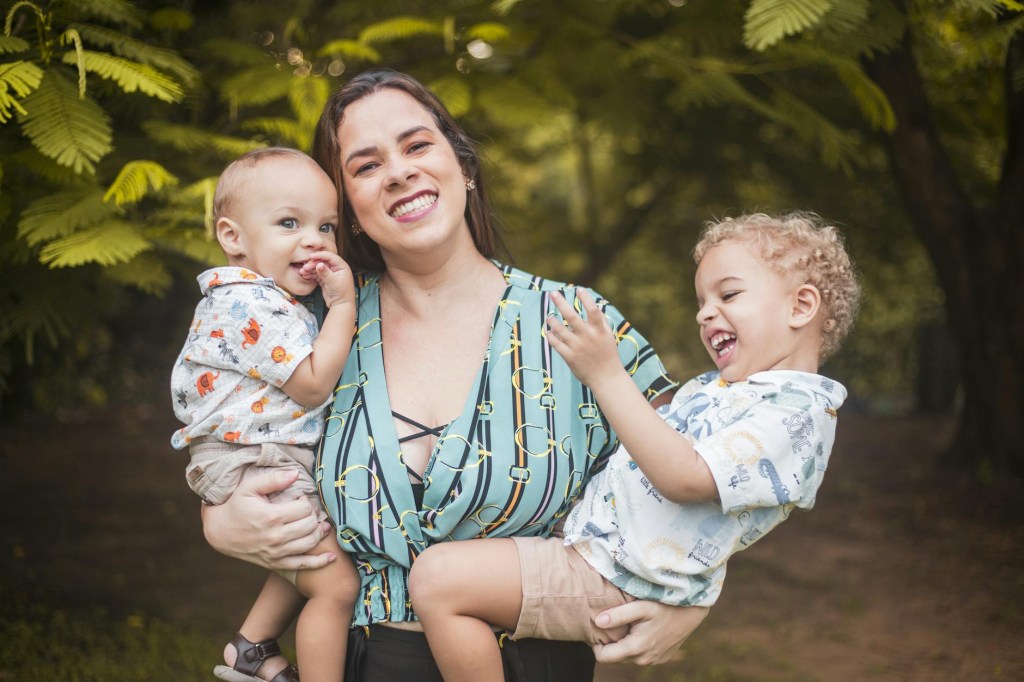
As I moved toward the exit, a mom and her two pre-school-age boys, stepped to the door. How precious, I thought. The boys were dressed in crisply starched pants and soccer jerseys. The mom was elegantly dressed in straight jeans, starched white shirt with sleeves rolled up, a preppy, striped sweater and Tod’s loafers. Her long dark brown hair was naturally straight in a way my hair never will be: a smooth and soft sable. Her natural face had mascara, a blush touch and slightly shimmering nude lipstick. She was sporty, thin and beautiful. She guided her sons through the door to their parked Mercedes SUV.
She spoke to her sons with ease, gently teasing them as they walked by their parked car. “C’mom, fellas,” she said, “remember we got the best parking spot today?” They turned back and I passed by.
The mother’s ease caught me. She was relaxed and connected. Clearly, she came to this trendy spot often enough that her boys were used to walking a distance for a parking spot. She was so relaxed. So unfettered by daily demands. At least that’s how it seemed.
Jealousy flashed through me. As a working mom, I juggled. I surfed continual panic, a roiling wave that built and crashed inside me. I never felt free or comfortable. Or present.
I don’t know if this mom is stay at home. Nor do I know what she is like on her bad days. We all have public and private personas. But her gentle calmness… I have only seen such ease with stay-at- home moms. Freed from external pressures, their home and children are their primary, sometimes only, focus. They seem to live attuned to their children’s rhythms rather than daily demands and tight timelines. What is this like?
Really, what is this like?
Working moms usually stay employed out of necessity: to add to the monthly budget, cover underemployed husbands, own singular financial responsibility for the family, or cover health insurance, day care and other monthly bills. In other words, necessity often drives the choice to work.
But not always. Necessity and choice do not have to be hand-in-hand. Some mothers work because they seek achievement and reward outside of raising kids. Wisely, these women realize that relinquishing earning ability makes them vulnerable to change, especially sudden change. A husband can lose a job, have an affair, seek a divorce, die, become ill, go AWOL. In any of these circumstances, stay-at- home moms risk greater exposure to financial devastation. Women who leave the workforce to raise children lose more than a million dollars over the time period they are not working. Many mothers lose identity and independence as well. Money equals power. Without earning power, a woman subjugates herself to her husband, and by extension, to family, church and community. The scale always tips toward the karat rather than the intangibles of love and care.
Some women only intend to step away for a few years. But, often, women who’ve left the workforce may struggle to reenter the labor market. Years of volunteering for the PTA or other causes maintains valuable skills— organization, negotiation, problem solving, productivity— but few employers immediately see the correlative value, especially when similarly aged women with work experience already flood the market. More women are in the labor force than ever before. Additionally, women re-entering the market are usually nearing or over fifty, a time when women begin to experience ageism in the workplace. This is not anecdotal. Women are 40% more likely to be out of the workplace by age 70 than men are.
For me, “choice” was necessity. My salary covered more than the outrageous cost of daycare. I covered the mortgage, health insurance, food. We needed my salary. In fact, my then- husband and I discussed whether he should stay home even though money would be even tighter. I never planned to be the breadwinner. I excelled at work, however, and opportunities opened up.
Not a day passed when I didn’t yearn for my children. Especially after childbirth and while nursing, I felt a gnawing physical loss. I didn’t identify myself as a mother above all else, but motherhood brought continual awareness of the humans I had created and the invisible chords between us. Never again would I think of myself as “I.” I was responsible for lives other than my own. I carried them, still, years after child birthing, within me. The enormity of this obligation gripped me.
While I think women should continue to work, even part time, rather than surrender completely to motherhood, I do understand why many women do stay at home. I’ll anger a lot of women when I say it’s a less chaotic and perhaps easier approach to mothering. Yes, a woman gains responsibility for managing the house as well as engaging her children every waking hour of the day. But most working moms perform these chores too. The working mom also experiences unrelenting work performance expectations, pressure to be with her children when working or be at work when sickness or other issues keep her home. House cleaning, cooking, running errands— all need to be done outside of work hours. Exhausted after a work week, the weekends become another job— home labor.
I suspect the current trad wife trend has arisen partly from daughters watching their exhausted mothers trying to have it all— a career, a family, girlfriends, hobbies. Let’s face it, watching us juggle must be confusing. Why does mom need to answer emails out of work hours? Why can’t mom take a vacation without interruptions? Why does mom need to spend Saturday mornings catching up on work? Why does mom travel so much? From a child’s perspective, these look self-driven, a conscious decision to choose work over family. The traditional wife trend could be an attempt to create the home- focused bliss they never had. Daughters don’t always realize that this bliss is a carefully constructed patriarchal box, intended to keep women “in their place,” to seek fulfillment and identity only in motherhood and to reinforce the male driven systems and structures we live in. You would see this clearly if you realized how many women invented innovations with men’s names on them. Many acclaimed paintings and books were actually done by brilliant wives who were a “ helpmate” to their famous husbands. (I plan to share some of these stories in a future blog.) How sad, however, that these women have been ignored and looked over— primarily because of the prevailing belief that women could not possibly be so smart.
Something deeper is going on. Women enclosed in the home space unwittingly uphold patriarchal systems and structures. Women reinforce the hegemony of the white male journey myth: the young man strides into the world to battle forces against his success. But he battles on, conquering foe after foe. He deserves his success by birthright. He just needed to claim it. At the end of the day, he returns home to the softness of his wife. She has cleaned, cooked and diapered and has removed any evidence of this hard work, he sees perfection and comfort, into which he sets aside his ego shield and relaxes. He will be fed, pampered and doted on, just like the kids are.
Think, however, of the scenario of a working mom. She hurries out of work at 5pm to get to daycare by 6pm, lest she be charged $20 for every late minute. On the way home, she stops at the grocery store to buy pasta. She needs to lug her tired kids into the store with her so she straps one into a body carrier and buckles the other into the cart. She rushes to get pasta, grabbing a jar of sauce, a bag of lettuce and a box of popsicles her children screamed for. Back to the car she goes, fighting traffic all the way home. She first brings her kids inside and puts them in the playpen while she unloads the groceries. The popsicles are already mushy from being out of the freezer. She kicks her heals off, washes her hands, fills a pot of water and puts it on to boil. Then she’s off to grab the kids, their diapers already weighted with use and runs them up the stairs to start a bath. She strips all of them down, including herself, and gets in the tub with them. They play with bubbles, scrub between toes and splash water over the tub’s rim. This only took 15 minutes so she knows her water is already boiling. She puts on a robe, wraps her two lovelies in towels and hurries downstairs to tend the pot. It has been boiling so she adds more water. She will have just enough time to get everyone’s jammie’s on before it boils fully again. She has only been home 45 minutes. She needs to feed the children and settle them down because she has a report due tomorrow. She needs to review and proofread it. Just as she’s chopping up the pasta into small bites, her husband comes home. She’s secretly relieved. Now she can ask him to help with the dishes.
Does this mother find joy in this frantic routine? Actually, yes. The baby pointed at a banana in the store and said “nana.” The toddler helped her choose the pasta sauce. Both kiddos had such joy and delight as they tossed bubbles into the air or piled them atop her head. These brief blasts of joy carry her through each day.
Tomorrow, company expectations, the imbalance between employer and employee rights, the unspoken demands of work performance, the politics of today’s corporate environments— all of these will grip her. She will think of her children and the micro joys she had with them. Her children will sense the exhaustion, anger and frustration inside her, though they won’t wonder what caused it. As they grow, the joyful micro moments will be lost to the prevailing presence of feelings they can’t name. These are the kids who one day seek the trad trend.
The stay-at-home choice often is driven by wealth. But culture and religion also can insist on the home mom role, which means women at all economic levels stay at home. This is why staying at home can be more tenet and symbol than choice. Core beliefs are ingrained, in fact, woven into the mind’s tweedy synapses. Unwinding these threads takes time, with many knots— or sticking points— along the way. Women’s roles have been hijacked by patriarchal images and systems. After so many years of women’s rights, we still haven’t loosened the weave. Far right factions are even challenging the 19th Amendment, women’s right to vote.
Wealth, in particular, often discourages working. It prizes the hardworking husband and the clearly pampered mom. Her leisure signals his success. Likewise, the children’s achievements indicate the value of the traditional family model. The message is clear: stay at home, care for yourself rigorously, devote energy purely to your children with acceptable volunteer work on the side, and keep the hubby happy enough not to stray or forgive him if he does. If he does stray, doing anything about it is more damaging than staying. When women give up personal power, decisions are made for them, further weakening identity and independence.
I am not criticizing women who stay at home rather than work. I am criticizing the American system which provides so little support to women. Besides the current women’s health crisis— more women and babies have died since Roe v Wade ended— our country continues to have the highest death rate for birthing mothers in the “developed” world. We also have the weakest maternity leave— 0 weeks mandated federally, on par with Papua New Guinea and Eswatini. Additionally, child care options are expensive and complex. Only the wealthy and upper middle classes can afford nannies and in-home baby sitting.
The trad wife model that has emerged is often a lie. One of the trad I influencers was exposed to have an entire team behind her. She runs a multi-million dollar company. Her husband works for her. Likewise, another “trad” influencer is also a model with many luxury brand accounts. Her husband is a working model too, so who’s watching the kids while they’re both working? And another trad influencer lives on a farm owned by her 100s of million dollar husband. In other words, the trad wife image is hawked by women who actually don’t live the life. Rather, they sell it to others and gain their own personal wealth in the process.
Ultimately, a woman’s decision to stay at home is a financial, class, policy, ideological, religious and symbolic decision. In other words, it’s not personal. Even if a woman has dreamed of motherhood and caring for children, she is supporting snake- cultivated viewpoint and system designed to protect itself.
This may be why a lot of Gen Z women are rejecting marriage and motherhood. Tired of the forced image, the unspoken ideals, and losing personal rights, they opt out. They’ve lost control over their healthcare and bodily autonomy too. What to do? Take back your body and life. Men do not offer enough advantages to offset the gains. (In fact, women today are more likely to attend college and be upwardly mobile. Interestingly enough, primarily Gen Z incels and evangelical sects seem to have a problem with this. Most women I know— married, unmarried, mothers and child free. Men have come up short too long and haven’t stepped up.
Young women choosing this are pioneers. They are ending traditional marriage and challenging the gender roles given to them. Good on them. I hope their action—abstinence—will grow and rewrite the expectations for women. I’m supporting them.
I would love to hear from you, even if, especially if, you disagree. Perhaps we can bring back the American tradition of debate. Please like and share this blog with others. Subscribe to receive it by email and go directly to the Walk the Moon website (www.walk-the-moon.com) to peruse the full collection of articles and updates. You can email me from the Walk the Moon website as well.
 Walk the Moon